How Canadian Illustrators Bring Christmas Stories to Life

Christmas stories for Canadian children, and no images, are you kidding? Oh, come on. Think back to your childhood. The nights when Christmastime stories were read aloud. We are sure you must remember how the words mattered, but illustrations mattered more.
They would make everything twice magical.
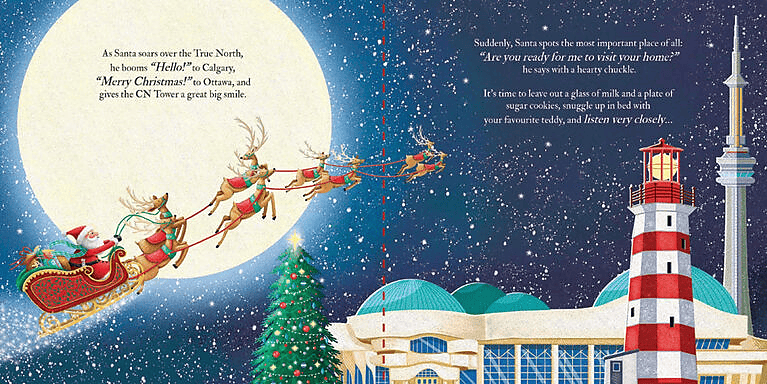
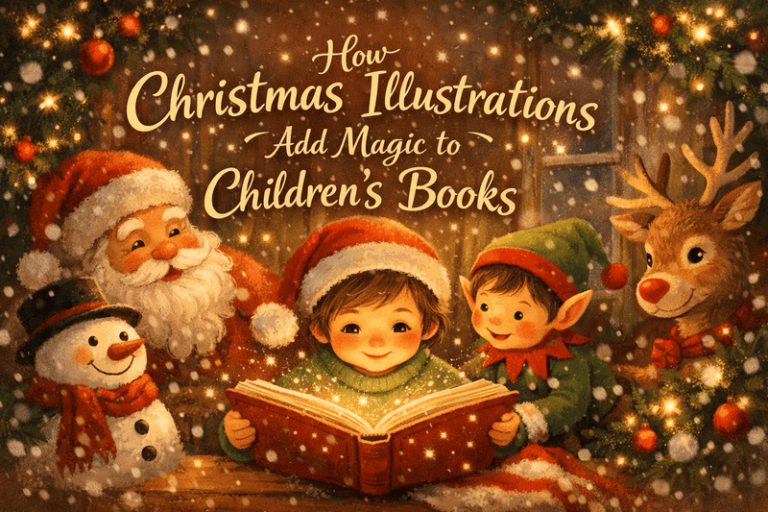
A snowy street, a reindeer mid-flight, or even a child bundled in scarves was enough to make the story warm. Hence, we have to give it to the local artists. They know their job well and are exceptionally good at capturing those festive emotions into the right sketches. Let us dig deeper and discover how Canadian illustrators bring Christmas stories to life.
One-of-a-Kind Illustrations Found in Canadian Christmas Books
A classic way to say it is that a Christmas story without images is like a tree without lights. It might be complete, but the joy is certainly missing. And it is not just us saying, it is proven by the experts in the field, too. Children do need images to spark excitement and guide their imagination, and the Canadian illustrators are thoroughly outdoing their jobs by:
- Giving every story a necessary visual context.
- Keeping young readers engaged.
- Setting artistic standards for children’s stories.
- Proving that the pictures tell a better story.
- Making every page feel like reality.
Simply put, their art transforms reading into a memorable experience. One that stays with you long after the book is over. But, how is a human doing it with just their brushstrokes?
A Lot is Going On Behind the Scenes
Of course, in a fast-paced time like the year 2025, nobody has time to disconnect from their screen and finish an entire novel. However, there is someone who can slow us all down to savor the magic of Christmas storytelling. The world calls them Canadian children’s book illustrators.
Their art doesn’t just decorate the scripts. It bridges the gap between a child’s imagination and reality. So yes, without them, the holiday stories would have risked fading quickly. Here’s a quick glimpse of how these extraordinary artists are making the magic happen. We will be talking about several things, like their:
- Illustrator Skills
The artists have to bring in a mix of different expertise, such as their extraordinary imagination, their technical drawing ability, and most importantly, their storytelling awareness of Christmas books. Most of the time, more than half of their input is the non-drawing part.
So, if they are not sketching, what else are they doing?
For starters, they are researching and understanding how children respond to several shapes, colors, and expressions. This is important because something as basic as a smiling snowman or twinkling star can instantly capture attention.
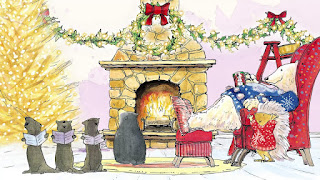
Apart from this, it is also a part of the illustrator’s skills to know how to balance detail with simplicity. This is what makes sure that each page feels equally inviting rather than too much.
- 4-Step Creative Process
The Canadian illustrators bring Christmas to life with great proficiency, and those who think it is a piece of cake should give it a try. We guarantee, only a quarter of you will be able to find success. And the reason won’t be that you are incompetent.
Many will fail because drawing for children’s books demands more than talent. It requires patience, cultural sensitivity, and the ability to translate emotions into visuals that match the intellect of young adults. Here are the routine steps in an artist’s creative process.
- They begin with rough sketches that explore how characters and settings should look.
- Then they refine these drafts by using warm and festive color palettes.
- The next step is to collaborate with the authors to ensure the visuals match the story’s tone.
- Finally, they polish details, like snowflakes or glowing lights, to bring the scene to life.
This process shows how much care goes into every page.
- Key Considerations
Undoubtedly, when working with kids or for kids, one has to be utterly cautious. You cannot just draw anything and publish the book. Number one, they might just not understand your reference. Number two, some content can be age-inappropriate for them. So, being an illustrator for Canadian Christmas books is also about thinking carefully about the following:
- The real audience
You should know how kids see and feel stories. This will help you pick clearer shapes, friendly faces, and emotions that they can recognize.
- Seasonal setting
An artist for a kids’ Christmas book should know what icons are best to show the setting. For instance, the snowy outdoors, cozy homes, and lights in trees can make the story feel relatable.
- Color choices
It is important to only pick warm, bright colors of joy, such as the reds, greens, and golds. The cool tones will be much more appropriate for calm winter nights or open-air scenes.
- Cultural details
The book illustrators also have to take care of the cultural elements because the story will be read by several diverse families, who hold all sorts of traditions. Hence, it is important to research in-depth, or you might offend someone.
- Story support
The next consideration while sketching for a manuscript is that each image you draw should be relevant to what the text is on that page. It is not helpful for a kid’s imagination if the display image shows a reindeer and the text is about grandma making gingerbread man cookies. The reader will be lost in their understanding.
- Emotional impact
Last but not least, the artists must aim for drawings that spark excitement, comfort, and eternal memories in young readers. This requires an understanding of the audience’s preferences.
- Frequently Repeated Mistakes in the Art
Canadian Illustrators bring Christmas stories to life every year, but these skilled illustrators can fall into traps, too. The very first one is that they sometimes overcrowd a page with too many details. This may confuse children instead of delighting them. Secondly, they often use dull or mismatched colors, which can weaken the festive mood.
Another mistake is ignoring emotional expression. If you are drawing characters without clear feelings, it will leave young readers disconnected. Moving on, it has come to attention through surveys that some Christmas books lean too heavily on visuals. This is a red flag because it can make the best of stories feel repetitive.
- Style Choices
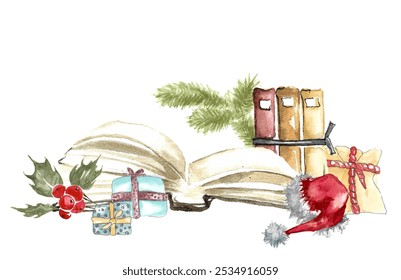
Watercolor tones

- What It Means: Soft and gentle colors with blended edges
- Effect on Story: Creates warmth and a cozy holiday feeling
- Bold lines & bright colors

What It Means: Strong outlines with vivid shades
Effect on Story: Adds energy, excitement, and playful mood
Smooth shading

- What It Means: Even and polished coloring
- Effect on Story: Feels magical and dreamy, like a fairy tale
Rough strokes
What It Means: Textured and sketch‑like brushwork
Effect on Story: Gives rustic charm and a handmade look
Traditional imagery
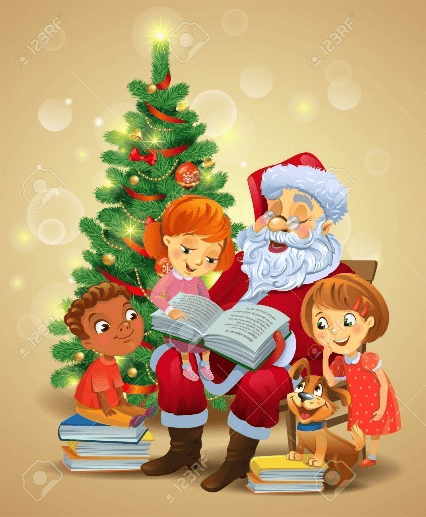
- What It Means: Classic symbols like Santa, trees, snow
Effect on Story: Keeps stories familiar and comforting
Modern touches
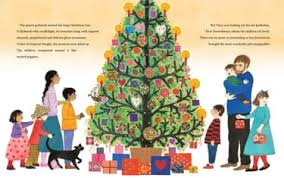
What It Means: Fresh designs or diverse characters
Effect on Story: Makes stories relatable for today’s readers
Role of Illustration in Shaping Holiday Traditions
Speaking of book illustration, did you know that the pictures in these books do more than just show the story? They help create and pass down our holiday traditions.
- They Show Us What to Do
It is the books with perfect drawings that are the real essence of the festive season. They have been showing us what a perfect Christmas looks like our entire childhood. Such as how the house should be decorated, the feeling of a snowy day, or what a cozy family gathering is like. Perhaps this is why we feel nostalgic when we see similar images now as adults.
- They Create the Mood
The complexities of why we are celebrating a certain event are not easy to explain to a kid. Especially in their toddler phase, when they are ready to shoot a thousand questions at you. A solution to that problem is introducing the illustrated Christmas books to them.
A 2-year-old can see and feel the mood of the celebration just by watching the images of children holding presents. Or maybe enjoying the snow. This ‘look’ and ‘feel’ influence is how we can effortlessly show them how to decorate our homes and have fun.
- They Share Culture
Canadian artists often include unique Canadian elements like deep snow, certain wildlife, or specific landscapes. By showing these things, the artworks help make those details a part of the official’ Christmas look’ for many families today. Let’s get into the specifics of it.
Unique Canadian Cultural Elements in Christmas Book Art
The country’s artists are known to make their Christmastime art special by adding local touches. For example, instead of drawing just any cold scene, they often show specific Canadian places. This includes pictures of vast, snowy fields (the prairies) or our unique, tall forests.
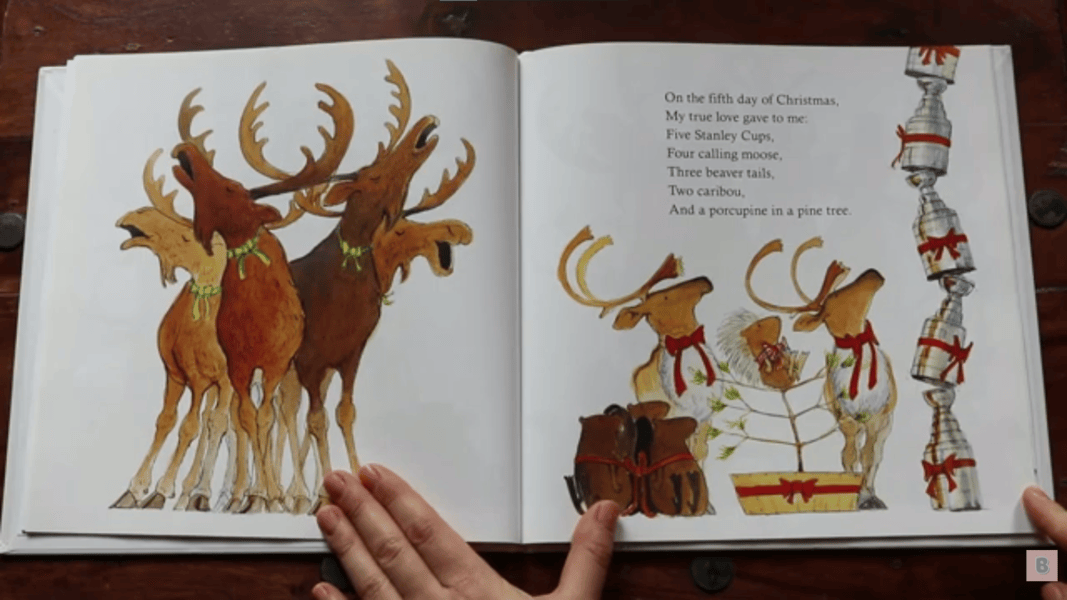
They also feature the national or locally seen animals. Such that you might have noticed the festive moose, caribou, or colorful chickadees, they are often made to act like story characters, so that kids can be familiar with them. Moreover, pictures like children happily ice skating on frozen lakes evidently show how natives truly celebrate winter in Canada.
Importance of Color Palettes in Holiday Storytelling
Another way through which Canadian illustrators bring Christmas drawings to life is by carefully choosing special colors. Here are a few of them.
- Reds and Greens: These classic colors signal carnival, warmth, and tradition. They immediately make a scene feel more festive and familiar.
- Whites and Blues: These are used to create the feeling of a cold, crisp, snowy winter. They work when you need to add a sense of quiet magic and freshness in a scene.
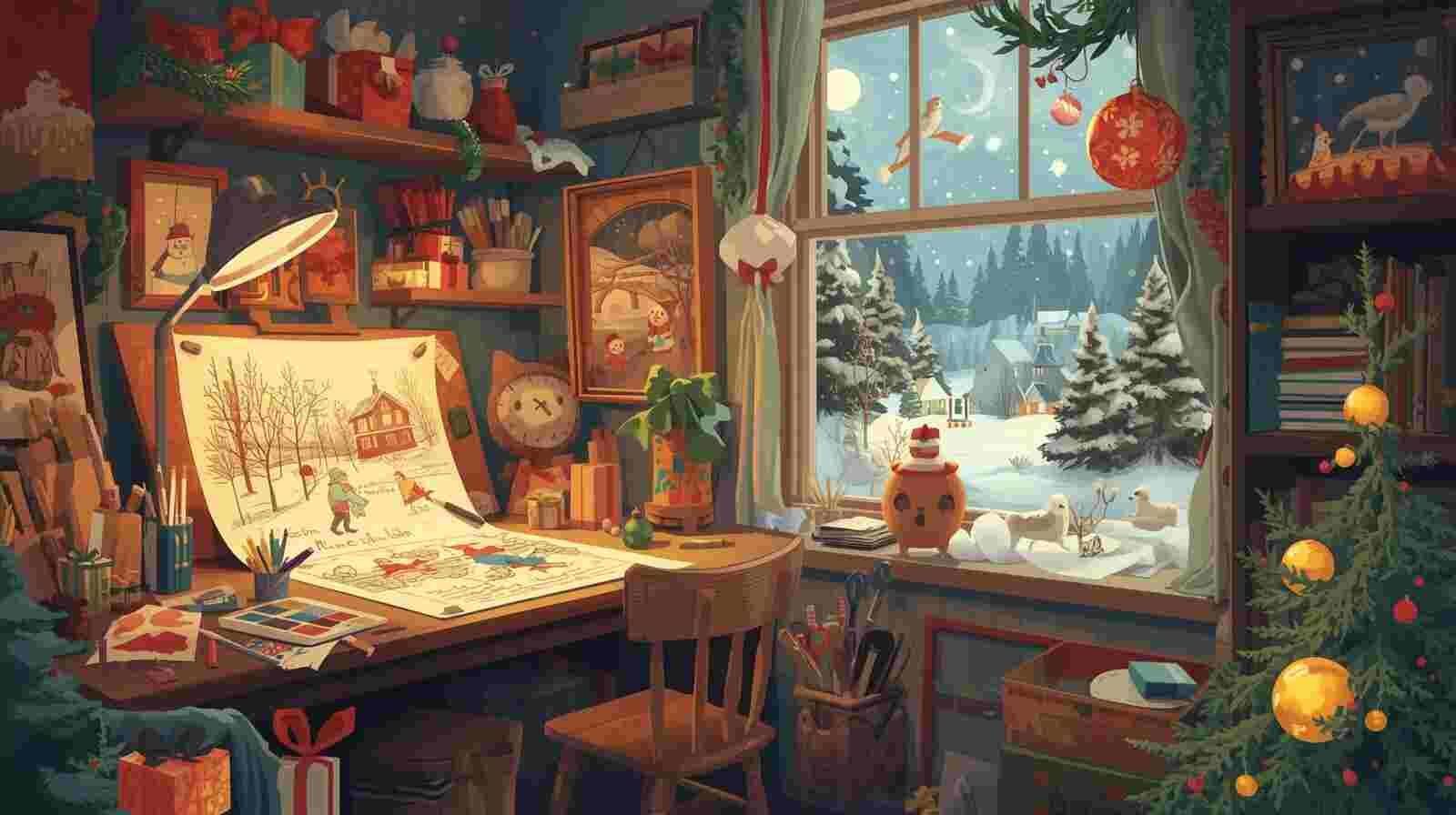
- Warm Golds and Yellows: These are used for fireplace light, candles, and stars because these colors give the effect of coziness and safety. They are perfect for home scenes.
So, being a Canadian illustrator who creates amusing artwork for children’s books, it is important to know the right mix of colors. Only then will you be able to guide the reader’s eye, direct their emotions, and make the holiday setting feel striking as well as deeply comforting.
Special Techniques Used to Make Sketches Warm & Nostalgic
- Muted Color Palettes
This is the trick where, instead of bright, modern colors, the artist uses soft, warm, and slightly desaturated tones. One can also go for creamy yellows, deep burnt oranges, and dusty greens. This palette is purely to resemble older prints that instantly add age with comfort.
- Visible Texture
The next approach is to add grain to the images. This could also look like a subtle paper texture or brush marks in the finished digital work. Artists use this texture to break up flat color areas, making the illustration look like it was created with pencil or watercolor on textured paper. This gives a more handcrafted and nostalgic vibe.
- Soft Lines and Edges
The latest trick is to use a digital brush for soft, less sharp, and perfect lines. The brush acts like a slightly wobbly pen or a soft pencil, giving the sketch an organic look. Exactly like human art.
The Final Words
The local illustrators of Canada have made Christmas stories feel alive in ways words alone could never. They have been doing it for decades, and perhaps this is why their drawings bring warmth, color, and emotion to every page without a fluke. Their Christmas books have everything. You name it. Snowy streets, glowing trees, smiling children, and whatnot.
As a result, more kids are able to retain these simple, but meaningful images in their subconscious, only to carry them around for years until they die. Lastly, although the pressures of how Canadian illustrators bring Christmas books to life aren’t easy to tackle, they still manage to balance all the important factors in each of their artworks. Indeed commendable!

Emily is a professional and creative strategist behind BookIllustrator.ca, a leading illustration agency dedicated to delivering premium book illustration services in Canada and internationally. With a strong foundation in storytelling and visual communication, she works closely with expert book illustrators to transform manuscripts into visually compelling, market-ready publications.